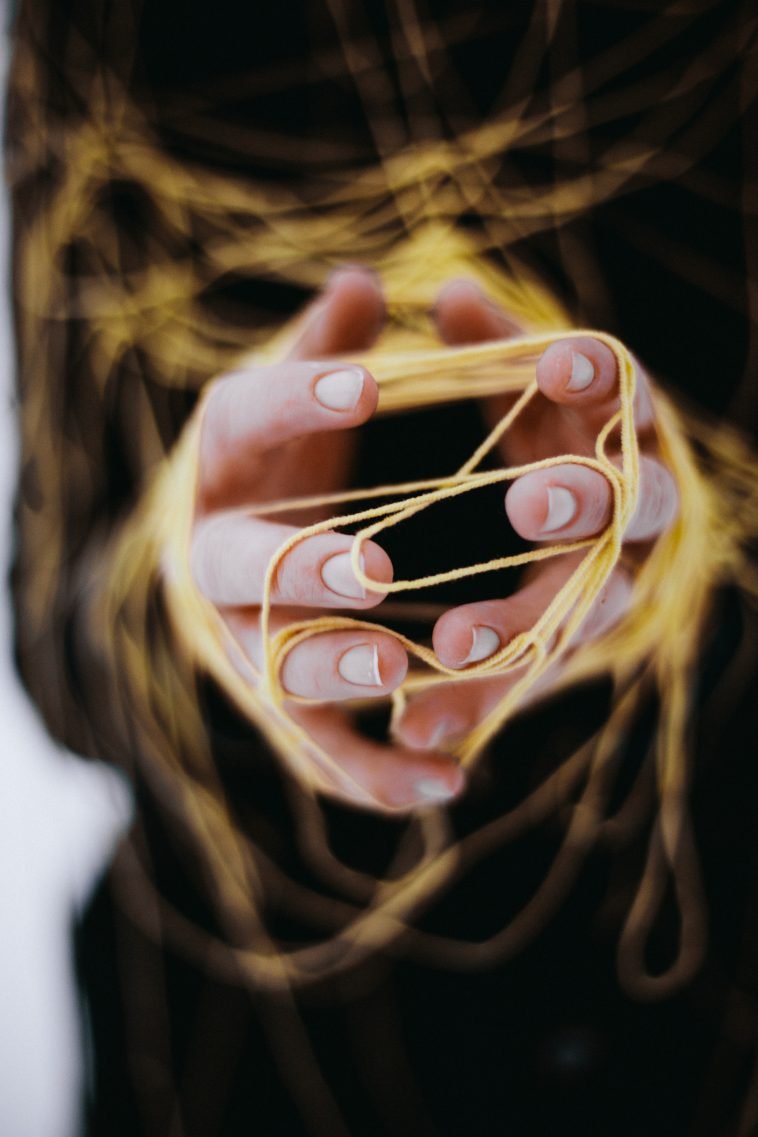
Lose Grip On Clinging With Compassion
Most of us are guilty of clinging to someone or something at some point in our lives. It could be a romantic partner, a friend, a family member, a belief, and even the past. Clinging is when we become too attached to someone or something, and we start to feel like we need them in our lives in order to be happy.
With people, this can lead to co-dependency, which is when we rely on someone else for our own happiness. Clinging can also lead to possessiveness and jealousy, which are not only unhealthy emotions but can also push people away.
So how do we avoid clinging? And why does it matter?
Why Do We Cling?
The first step is to understand why we cling. There can be many reasons why people cling in general. Some people might cling to material possessions because they feel like they need them to feel happy or secure. Others might cling to relationships because they fear being alone. Some people might cling to certain beliefs because they provide comfort or a sense of identity.
Here, we will dive into the specific areas.
- Why cling to things?
People cling to things for a variety of reasons. Some people cling to things because they are afraid of change. Others cling to things because they have a sentimental attachment to them. Still, others cling to things because they believe that they need them in order to be happy.
- Why cling to people and relationships?
Often, it is because we are afraid of being alone. We may feel like we need someone else in order to feel complete. Or, we may be afraid of rejection, and we think that if we cling to someone, they will never leave us.
There can be many reasons why someone would want to cling to relationships. Some might fear being alone, some might need emotional support, and others might find comfort in the familiarity. Whatever the reason, it is important, to be honest with yourself about why you are doing it. If you are not happy with the relationship, it might be time to let it go.
- Why cling to beliefs?
Some people might believe that their beliefs make them who they are, and they cannot imagine living without them. Others might believe that their beliefs are the only thing keeping them from chaos or destruction.
We cling to beliefs for many reasons. They may give us a sense of comfort or security, or help us to make sense of the world. We may also cling to beliefs because we have been brought up to believe certain things, or because everyone around us believes them.
- Why cling to the past?
Perhaps people cling to the past because they are afraid of change, or they have become comfortable with the way things are. Maybe they are afraid of what the future might hold, or they are nostalgic for a time when things were different. Whatever the reason, clinging to the past can prevent us from moving forward and experiencing new things.
There is nothing permanent in this world. Everything is constantly changing. clinging to things that will never change is futile and will only lead to disappointment. It is important to be open to change and adapt to the ever-changing circumstances.
It is important to realize that we are the only ones responsible for our own happiness. No one else can make us happy – we have to do that ourselves.

Once we understand why we cling, we can start to work on letting go. This can be difficult, but it’s important to remember that we don’t need anyone else to be happy. We can be happy on our own. We can find other things to do with our time, and we can find other people to spend time with. To be happy, we need not be in a relationship.
Using Compassion To Lose Grip On Clinging
In addition to the practice of mindfulness, we can use compassion to help us lose our grip on clinging. Compassion works in many ways to reduce our sense of clinging and attachment.
First of all, it provides us with a new way of looking at our lives. When we see ourselves through the eyes of compassion, we see that we, like other people, are vulnerable and that we are often doing the best we can. This understanding can help us to forgive ourselves when we make mistakes and have patience with ourselves when we are going through difficult times.
Click here to how to practice mindful affirmation to unleash your true self. The power is already in you.
Compassion also helps us to see that other people are often in the same situation as we are. We all wish to be joyful and suffering-free. When we realize that other people are just like us in this way, it is much easier to have compassion for them. And when we have compassion for others, we naturally become less attached to them. We see that they are not necessarily going to be there for us all the time, and that is okay.
Finally, compassion helps us to accept the impermanence of life. When we see that everything is constantly changing, it is easier to let go of our attachment to things. We cannot hold on to anything forever, and that is okay.
When we practice mindfulness and compassion, we are less likely to get caught up in our clinging. We can see that our clinging is not going to give us the happiness we are seeking. Instead, it will only lead to suffering. We can let go of our attachment and live in the present moment.
In Conclusion
It is also important to remember that clinging is often a sign of insecurity. We may feel like we are not good enough on our own, and that we need someone else to validate us. But the truth is, we are all good enough, and we do not need anyone’s approval to be happy.
Focus on your own happiness. We can love ourselves, and we can be happy without someone else.
Here is an article to further affirm that you are loved and how to stop clinging to people. Click here to read on.